
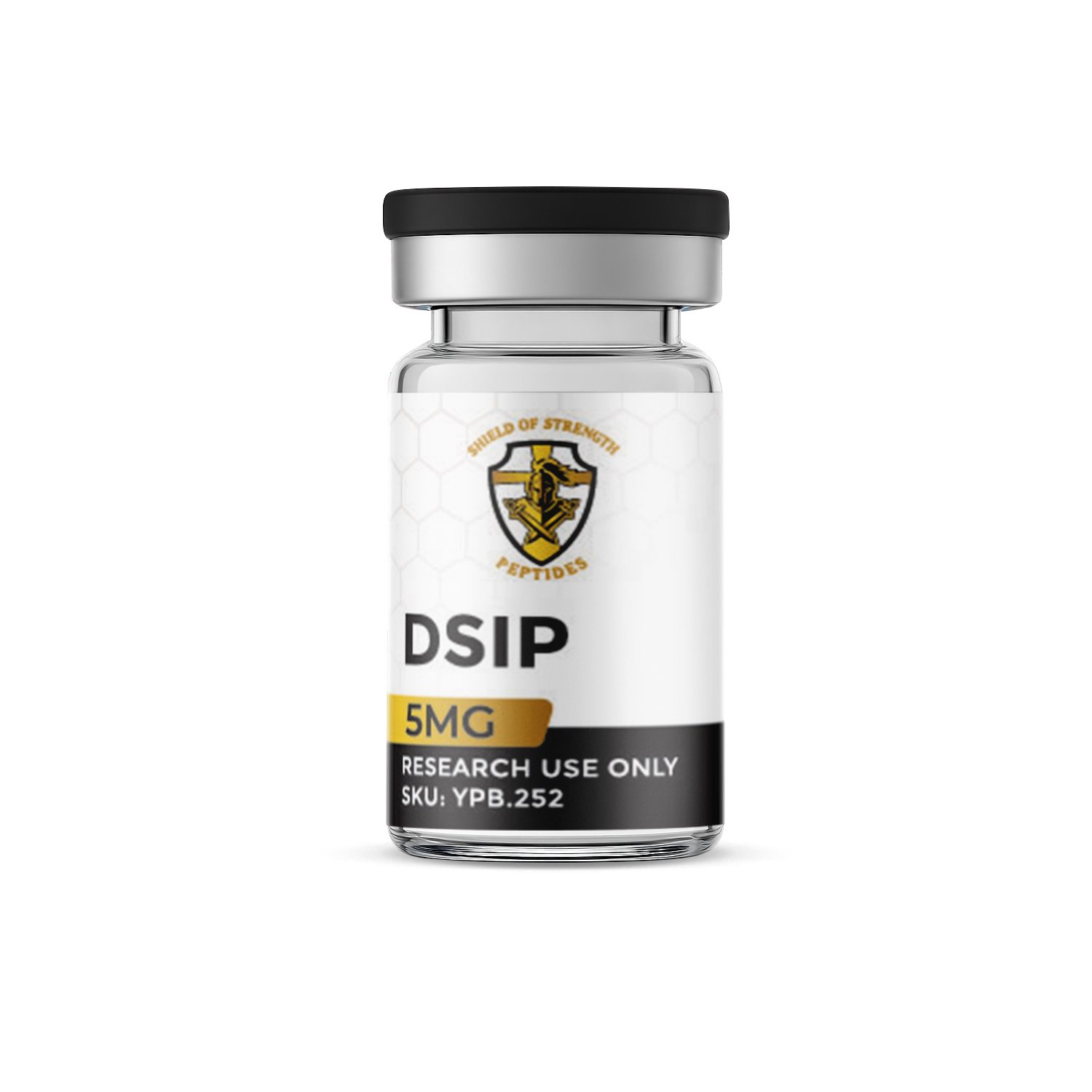
DSIP (Decapeptide-Serine-Isoleucine-Phenylalanine-Threonine)
DSIP (Decapeptide-Serine-Isoleucine-Phenylalanine-Threonine) is a synthetic peptide derived from the amino acid sequence of a naturally occurring decamer peptide found in several biological systems. This peptide has been extensively studied in the scientific community for its potential effects on reproductive and circadian rhythms, among other physiological processes. It is an important tool for research in endocrine biology, reproductive physiology, and neuroendocrinology.
Research Context
DSIP has been the subject of numerous research investigations since its initial discovery. Initially identified in the pituitary gland, DSIP has since been studied across a range of biological contexts, including its role in modulating reproductive behavior, circadian rhythm regulation, and immune responses. Its ability to influence hormonal balance has made it a valuable compound for studying mechanisms underlying reproductive functions and potential implications in veterinary and biological research.
Research Overview
DSIP is typically studied in animal models and in vitro experiments due to its role in endocrine regulation. Research has explored its impact on the hypothalamic-pituitary-gonadal (HPG) axis, its potential effects on the pineal gland and melatonin production, and its involvement in seasonal reproductive behaviors. Its physiological activity often requires specific conditions and delivery methods, such as intracerebroventricular (ICV) administration in rodent models, which are critical for accurate experimental outcomes.
Key Research Focus Areas
- Reproductive Physiology: Investigation of DSIP’s effects on reproductive behaviors, hormonal cycles, and seasonal breeding patterns in various animal models.
- Circadian Rhythm Regulation: Exploration of DSIP’s potential role in synchronizing circadian rhythms, particularly in relation to melatonin production and light exposure effects.
- Endocrine Signaling: Study of DSIP’s interaction with neuroendocrine pathways and its influence on peptide hormone secretion.
- Behavioral Responses: Analysis of behavioral changes associated with DSIP administration, particularly in contexts involving mating, territoriality, and social interactions.
- Comparative Biological Systems: Examination of DSIP’s presence and activity across different species, including mammals, birds, and other organisms where it has been observed.
Safety and Compliance
DSIP is intended exclusively for research purposes and should only be handled by trained professionals in a controlled laboratory environment. The handling and disposal of this compound must adhere to established protocols for chemical safety, including proper personal protective equipment (PPE), fume hood usage, and waste management. Researchers are responsible for ensuring compliance with all relevant regulations governing experimental procedures and chemical substances.
For research use only. Not for human or animal consumption.
| Size | 5MG, 15MG |
|---|

Reviews
There are no reviews yet.