
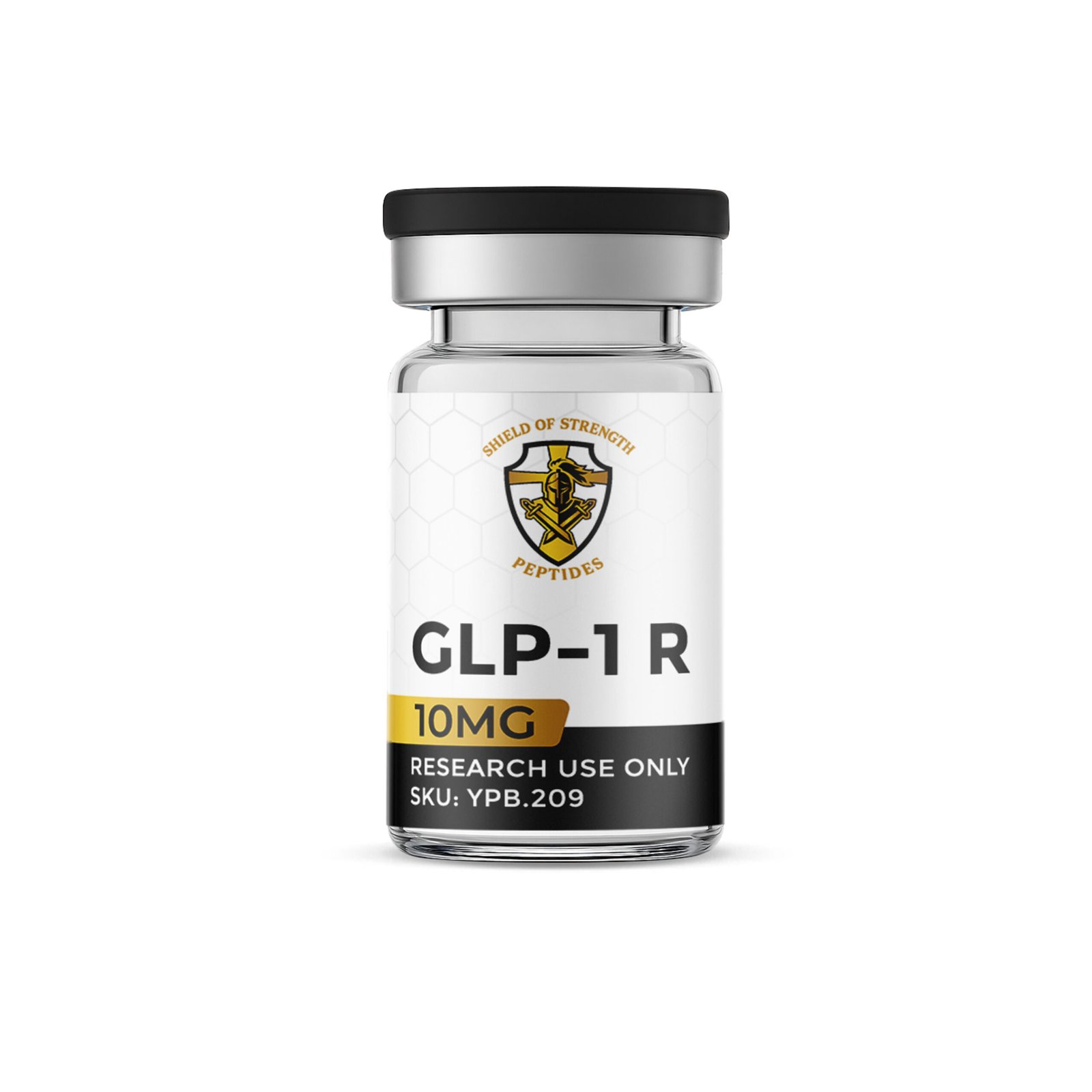
GLP-1 Receptor Agonists (GLP-1 R)
GLP-1 receptor agonists (GLP-1 R) are peptides and compounds that selectively activate the glucagon-like peptide-1 (GLP-1) receptor. These agents play a significant role in metabolic regulation and have been extensively studied in preclinical and clinical research settings. The following description provides a detailed overview of their research applications, mechanisms, and implications within an academic and experimental context.
Research Context
GLP-1 is a hormone produced in the gut primarily in response to food intake. It exerts multiple physiological effects, including glucose regulation, appetite suppression, and insulin secretion. GLP-1 receptor agonists have gained attention in metabolic research due to their potential to mimic the physiological actions of endogenous GLP-1, offering insights into diabetes, obesity, and related endocrine disorders.
Research Overview
The study of GLP-1 receptor agonists spans basic biochemical investigations to translational research aimed at developing therapeutic interventions. These compounds have been explored for their effects on glucose homeostasis, weight management, and gastrointestinal motility. Preclinical models, including animal studies, have provided foundational data on their safety profiles and potential therapeutic windows. GLP-1 R research is critical for advancing our understanding of metabolic diseases and their molecular mechanisms.
Key Research Focus Areas
-
Glucose Regulation and Diabetes Research: GLP-1 receptor agonists have been investigated for their ability to improve glycemic control in preclinical and clinical studies. Research focuses on understanding their role in pancreatic beta-cell function, insulin sensitivity, and hypoglycemic safety profiles in diabetes models.
-
Obesity and Metabolic Disorders: Studies have explored GLP-1 R-mediated effects on appetite suppression, satiety signaling, and energy balance. Research often involves high-fat diet-induced obesity models to assess weight loss mechanisms and long-term metabolic adaptations.
-
Gastrointestinal Physiology: GLP-1 receptor agonists influence gastrointestinal motility, gastric emptying, and pancreatic exocrine function. Research in this area includes investigations into their potential effects on motility disorders, such as gastroparesis, and their interactions with enteric nervous system pathways.
-
Cardiovascular and Renal Effects: Emerging research examines the cardiovascular and renal outcomes associated with GLP-1 receptor agonists. Preclinical studies evaluate their effects on blood pressure regulation, myocardial function, and renal preservation in diabetic nephropathy models.
-
Synthetic Chemistry and Structural Biology: Development of novel GLP-1 receptor agonists involves structural engineering to optimize binding affinity, pharmacokinetics, and specificity. Research in this area includes studies on peptide modifications, non-peptide mimics, and receptor conformational dynamics.
Important Compliance Statement
This product is intended solely for academic and research purposes under the supervision of qualified personnel. It must be handled according to established laboratory protocols and guidelines for peptide safety. For research use only. Not for human or animal consumption.
Consult relevant institutional review boards, regulatory authorities, and safety committees before use. Always follow established ethical and compliance guidelines specific to your research facility.
| Size | 10MG, 12MG, 20MG, 24MG, 30MG, 40MG, 50MG |
|---|




Reviews
There are no reviews yet.